

Category Archives: Control & Industry Solutions

PLCnext – An Intern’s Perspective

From |

Many of you may be familiar with our next gen PLC called PLCnext, but how easy is it to actually make the switch? Today, I would like to share with you from a fresh perspective – that of a Phoenix Contact intern who has been learning to use PLCnext Technology for a mere two months.

As someone who has taken a few programming-related modules in university, I thought I had at least heard of most of the programming languages. However, when I first started learning about PLCnext, I was introduced to IEC 61131-3.

Credits to Marvel Studios

IEC 61131-3 is the standard for dealing with programmable logic controllers (PLC). The software used to configure PLCnext controllers, called PLCnext Engineer, mainly uses 3 PLC programming languages:

  • Function Block Diagram (FBD)
  • Ladder (LD)
  • Structured Text (ST)

Once again, I had never worked with any of these languages before in my programming modules. FBD was relatively easy to pick up, as the default function blocks in PLCnext Engineer provided more than enough functionalities for my internship project. The FBD editor was also extremely user-friendly. It also had the capability to change variables on the fly using Debug Mode, which made troubleshooting a real breeze.
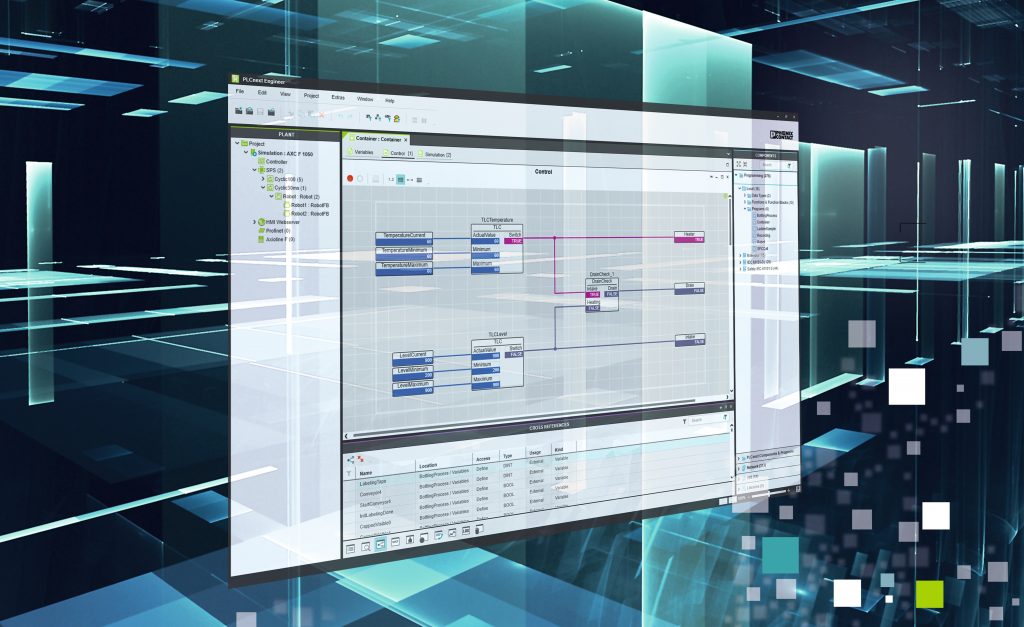
A very beautified picture of FBD code

And yet, FBD was not a language I was familiar with. If you have learnt a new language before, you may have experienced times when you cannot express yourself or cannot translate your thoughts from your native language to the new language you are learning. Thankfully, that is where the prowess of PLCnext Technology comes in.
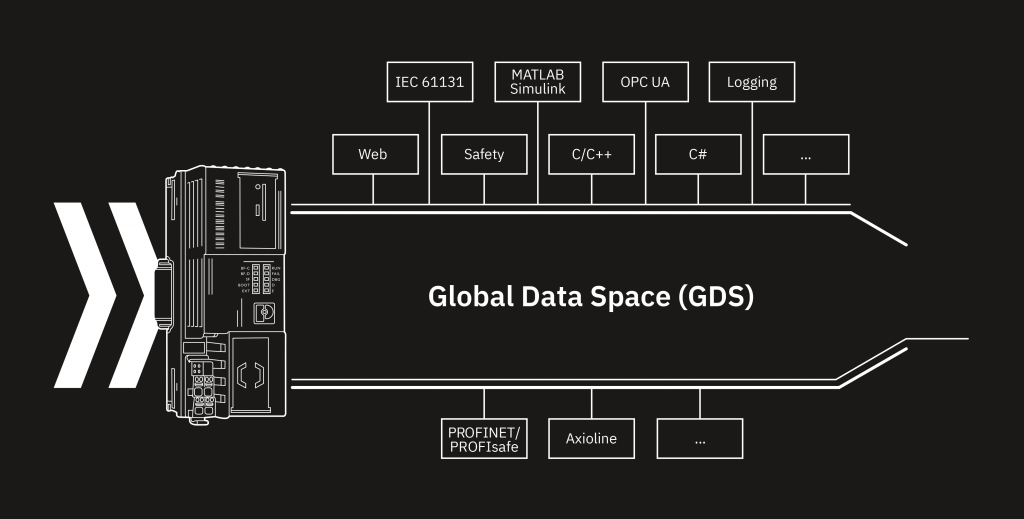
To make things short and sweet, PLCnext Technology essentially allows the use of different languages for programming of PLC logic. Instead of using IEC 61131-3 languages for the main program logic, languages such as C, C++, C# and MATLAB Simulink can be mapped to the IEC 61131-3 code. This is possible through a Global Data Space (GDS) which maps input and output ports of IEC 61131-3 languages with that of the other languages being used.

What this essentially means is that many people who are familiar with different programming languages can work on the same project! PLCnext Technology bridges this gap between programming languages, making automation that much easier.

That being said, some (extremely) basic knowledge of at least one of the IEC 61131-3 languages are required. However, this was easily picked up after I was loaned the AXC F 2152 Starter Kit to practice.
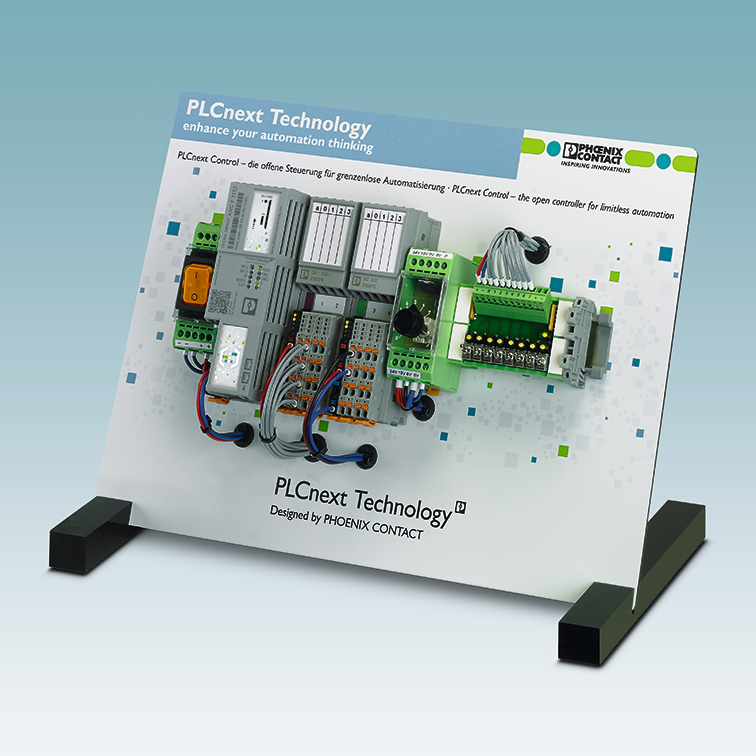
The AXC F 2152 Starter Kit

Two months into my internship, and I have already learnt enough to build a small-scale prototype of my final project. While I will not be delving into the details here, the important part is that majority of the logic is coded in C++, instead of IEC 61131-3 languages.
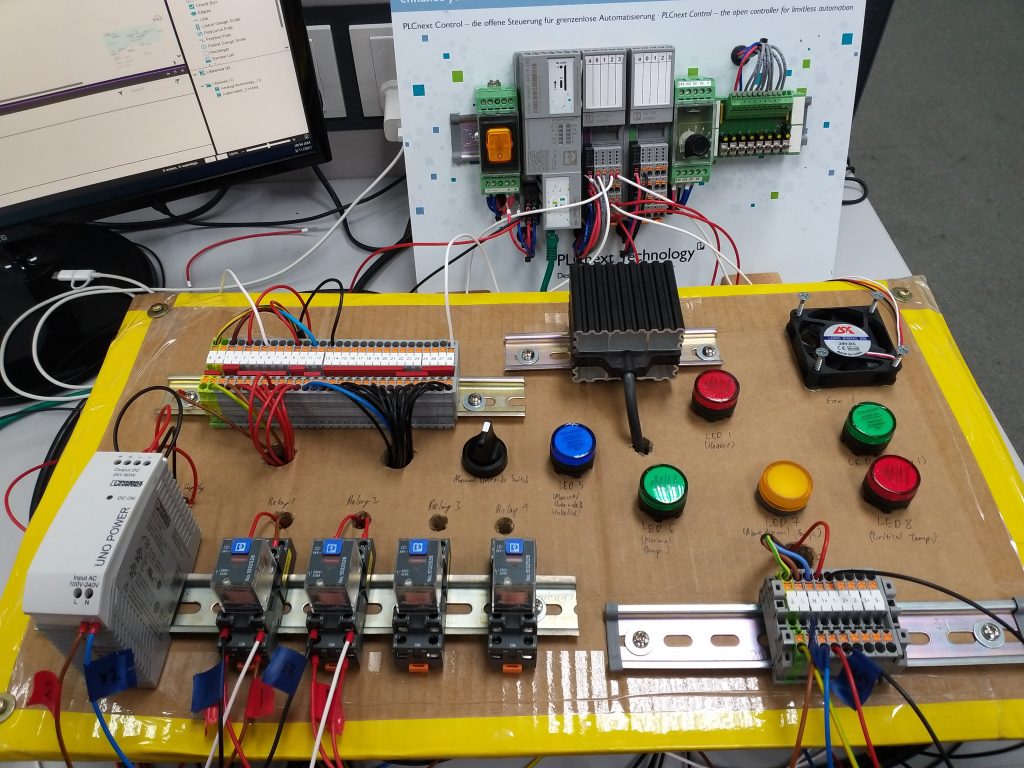
“This isn’t even my final form!”

If an intern can whip up something like this from scratch in two months, I am sure you can too!
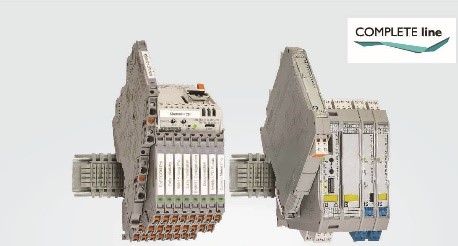
Signal Conditioners

From |

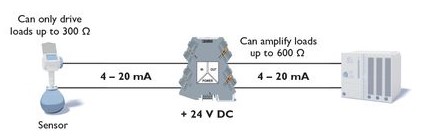
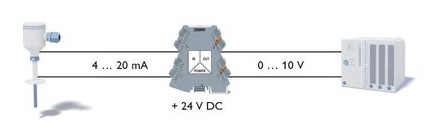
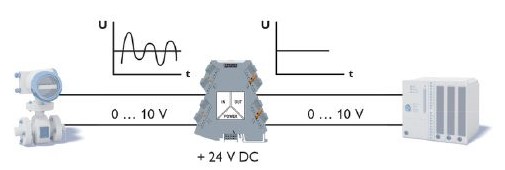
At Phoenix Contact, there is always a signal conditioner for any application, such as filtering, converting, isolating and amplifying.

Amplifying
Converting
Filtering

The portfolio also comprises of solutions for interference free signal transfer in the areas of functional safety or explosion protection.

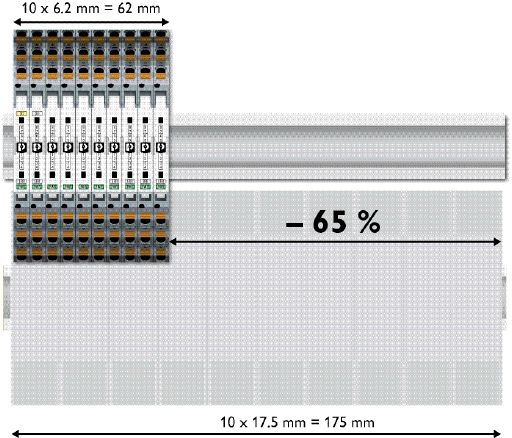
Industries such as plant engineering, power utility and process technology will require more process signals compared in the past. This is due to process optimization or energy savings. The need for more signals will be required and space is also a factor for consideration.

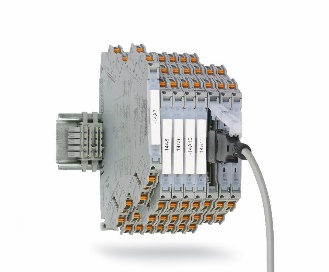
These optimized signals will go directly into the controller. Phoenix Contact’s Mini Analog Pro’s width is only 6.2mm, which makes it suitable to be installed in confined spaces.

The design makes the access points highly visible and allows simple connection of wires, therefore, saving lots of time and money.

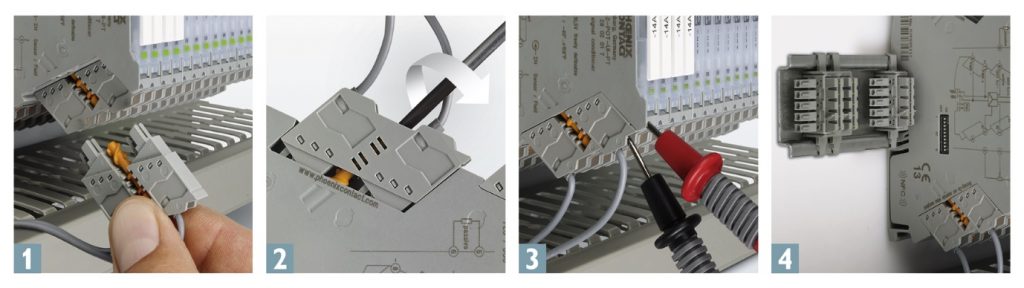
FASTCON Pro interchangeable terminals are pluggable connection terminal blocks that are available in push in or screw technology. It is also integrated with measuring points, allowing measuring of analog signals during operation without the hassle of disconnection in the circuit.

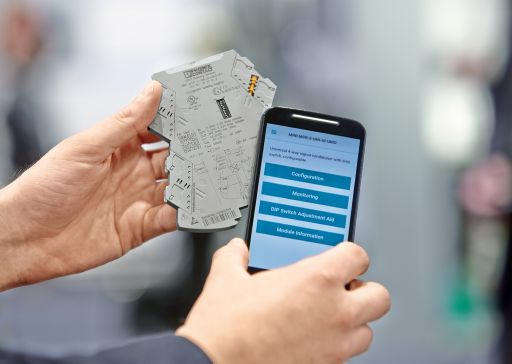
Built in Dip switches, software solution or the app function enables easy access to information. Remote configuration can be done via PC or smartphones with Bluetooth or NFC functions.

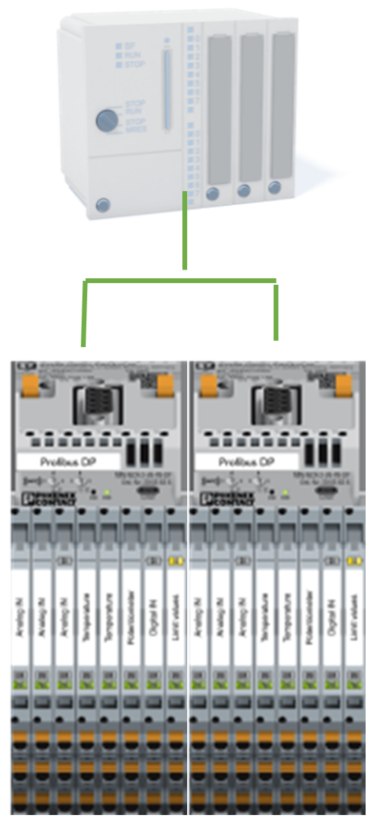
Easy and detachable gateways with plug and play solution can integrate up to 8 field signals directly into digital communication protocols and into controller level. This removes the costs and trouble of use of signal specific cards, the risk of wiring error and high space requirements in the control cabinets.

The Future of Smart Buildings

From |

For many years, building management systems (BMS) have been installed to control and monitor a portion of the building services. These systems, which tend to be expensive, are mostly used in large buildings, especially in the commercial and industrial sectors.

While offering much functionality, they have limitations in their use such as:

  1. Complex installation and configuration processes
  2. Systems are often closed and with limited evolutivity (due to their complexity)
  3. Systems are designed for operators only and not originally designed to provide services to building occupants

Smart buildings offer diversities and allow us to foresee an ultra-connected future; the challenge is to allow integration and interaction with the latest proposed solutions, in order to jointly offer a new user experience.

Phoenix Contact’s answer to the digitalization of building technology

Our IoT-based framework enables the integration of standard communication paths as well as new IP-based protocols. Thanks to open interfaces, existing systems can simply be integrated in the building management system.

The depth of the data ensures that your building projects have an intelligent and needs-based structure that is easy to expand. This applies to heating/ventilation/air conditioning, room and media systems, as well as the security concepts.

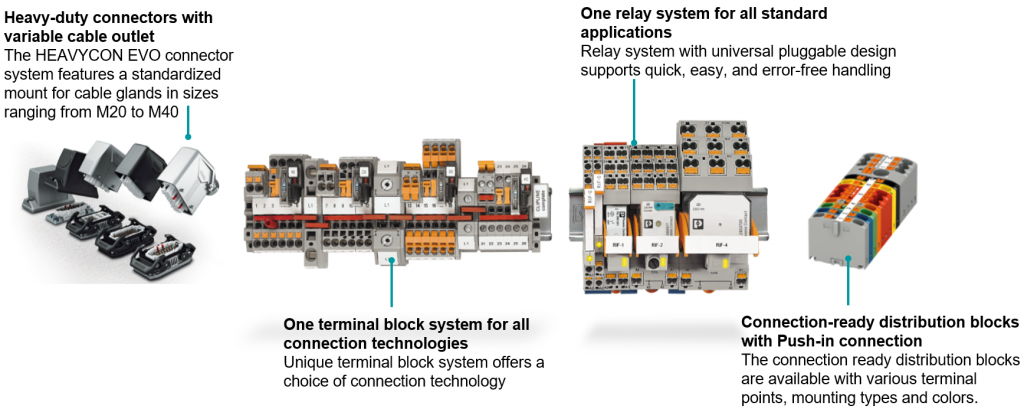
Phoenix Contact offers a broad product portfolio, ranging from easy installation to intelligent building automation. From cabling through to surge protection and the intelligent use of data in the building management system, we have intelligent products and solutions for your multi-site premises.

Controller for building infrastructure

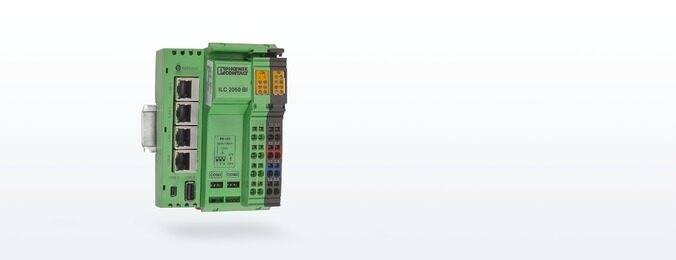
The IoT-based ILC 2050 BI controller enables easy connection to standard as well as IP-based field devices. The data points of the technical building equipment captured and standardized at field level are defined once, and are then available to the entire system.

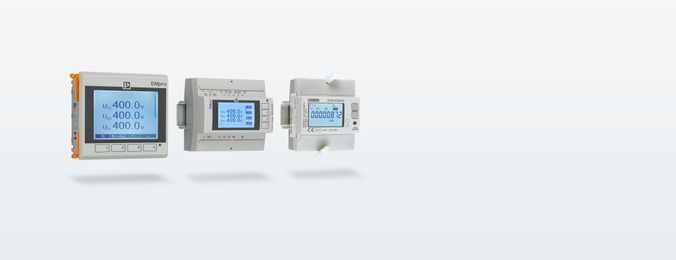
EMpro energy measuring devices

Our range of products for energy and performance measurements can be used to convert, record, measure, and monitor the energy parameters of your technical building equipment. The recorded consumption values provide a basis to increase the energy efficiency of your building.

Measurement and control technology

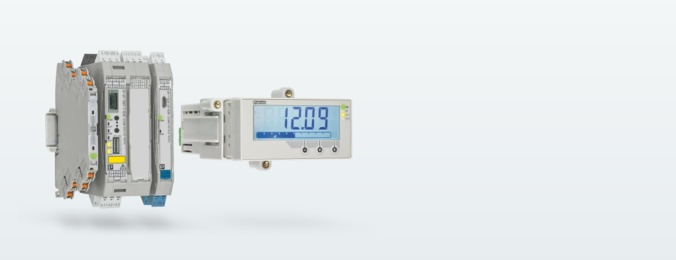
Isolate, convert, and filter signals, and monitor and control processes in the building: our measurement and control technology components cover all the tasks required for interference-free signal transmission from sensor level to control level.

Industrial communication technology

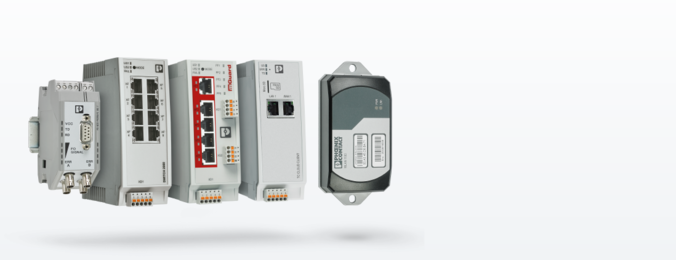
Regardless of which medium is used for the communication or that needs to be installed, we offer you the relevant solution with copper, fibre optic and wireless products.

STEP POWER power supplies for installation distributors

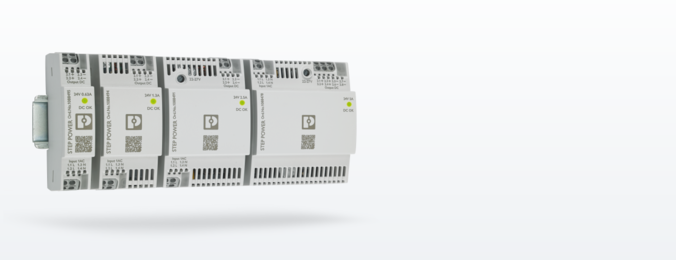
Use our power supplies and UPS to guarantee the highest availability of your processes. STEP POWER power supplies have been specifically developed for the building automation. They fit into installation distributors as well as flat control panels, and offer maximum energy efficiency.

Surge protection

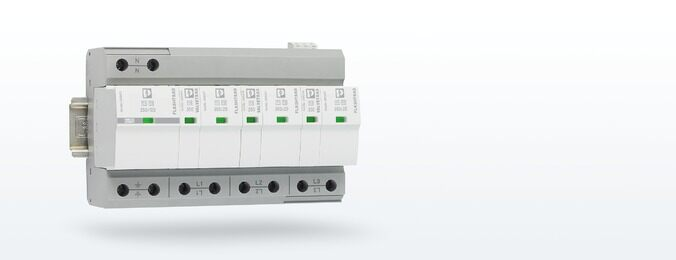
From the incoming supply to the end device, from the data cable to the photovoltaic system – protect your devices and installations with surge protection from Phoenix Contact.

Phoenix Contact – your partner for leading edge building technology.

Embracing Technology Towards Smart Manufacturing

From |

The Association of Southeast Asian Nations (ASEAN) is predicted to become the fourth-largest economy in the world by 2030, after the United States, China, and the European Union. The regional development is pushed by a growing educated and young workforce, coupled with a jump in manufacturing Foreign Direct Investment (FDI) across ASEAN member countries.

Against the backdrop of this shift in production capacity to this region, governments in ASEAN are encouraging the adoption of 4th Industrial Revolution technologies (e.g. industrial robots, artificial intelligence, data analytics) through various initiatives to support producers of relevant technologies.

Our Machine Building Heritage

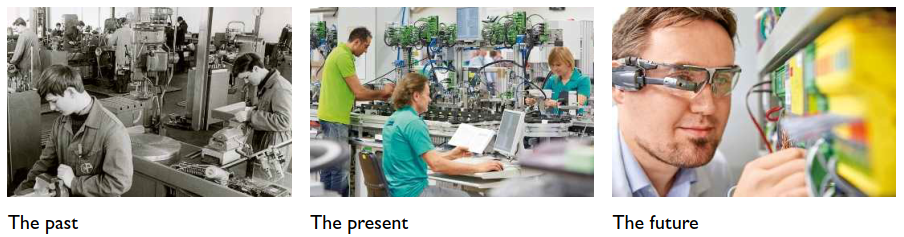
Since 1968, Phoenix Contact has been operating an in-house machine building department at Blomberg to maintain our independence from service providers. Today, this department of 260 employees provides support for all developmental and manufacturing business units worldwide. The service portfolio has started to shift from creating manually operated equipment to complex production systems. We are, therefore, very familiar with your daily challenges in this transformation process.

Robust solution to avoid costly downtimes

Tapping into the experience gained from the past decades, the following points have been identified when developing machines for our own production facilities:

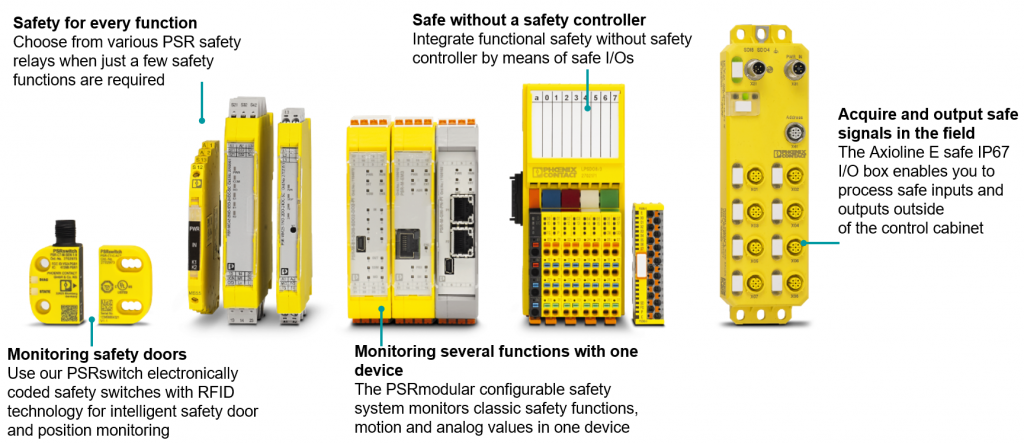
Machine Safety – Safety technology is paramount in machine building. It prevents operating staff from being put at risk or damage being caused to the machine. Phoenix Contact’s comprehensive portfolio ranges from non-contact safety switches and safety relay modules to network-capable safety solutions. All our products are very easy to install and configure. This allows you to benefit from the fast and cost-effective implementation of safety-related applications.

System Reliability & Availability – There is nothing costlier than having a machine that is down. Downtimes ultimately lead to production losses and incur extremely high costs. This makes machine availability the top priority. Reliable components and high machine availability are crucial in preventing downtimes and production losses.

Ease of Installation & Servicing – Today’s machines must be able to quickly adapt to changes in the market. A modular machine concept guarantees maximum possible flexibility, while optimally coordinated product solutions are the key to keeping machine manufacturing costs as low as possible.

Utilising components with universal accessories allow a significant reduction of parts and lowering of storage costs. Such standardization simplifies start-up and maintenance for your installation engineers and service technicians.

Reliable Data Acquisition through Cloud

To maintain the competitive edge in the market, processes must be as efficient as possible and continuously improved. Decisions regarding the optimization of machines and production processes are made based on machine and system data.

The collection and evaluation of values such as flow rates, currents, or temperatures allows predictive maintenance to be carried out, thereby improving machine performance and reducing machine downtimes.

Your technology partner towards Smart Manufacturing

Making the Global Reach – Enhancing the value proposition further, the data collected can be pre‑evaluated using a PLCnext Control device and easily transferred to the Cloud. This means that you have an overview of your machine data anytime, anywhere, for optimum machine utilization and availability.

EMpro – Making Energy Measurement Easy

From |

Data is extremely important in today’s world and the future.

All stakeholders and industries from machine builders, automotive industry, facility management, steel industry, industrial production, solar industry and datacentres etc. are collecting their energy data and analysing it. This enables them to make important business decisions that optimise their operations, increase productivity and reduce cost.  This should be able to be done locally and remotely.

Why measuring energy is so important?

“If you can’t measure it… you can’t manage it.”

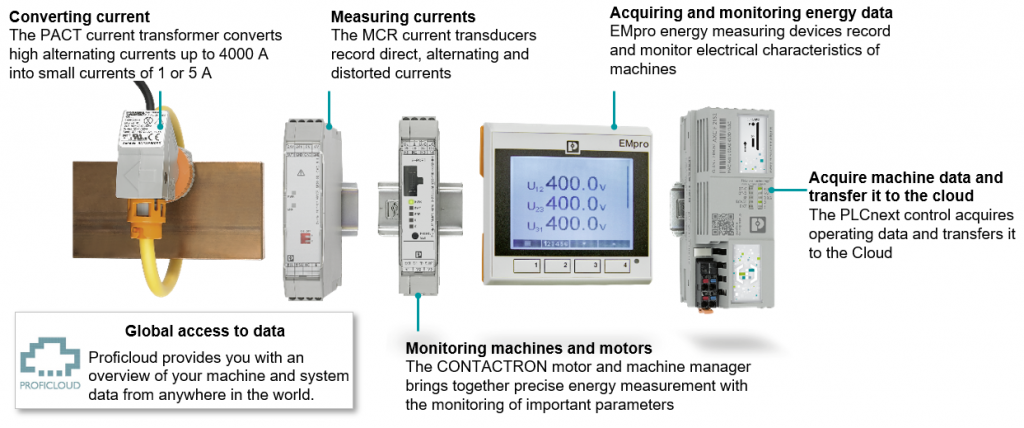
Phoenix Contact’s innovative and coordinated portfolio of sensors and measuring technology can save you a great deal of effort when it comes to energy data acquisition.

Whether complex energy measurements or simple cost center billing: the broad range of multifunctional energy measuring devices and MID-certified energy meters ensures that there is a product for every application. Furthermore, there is a large selection of current transformers available, also for retrofitting.

The fastest way to measure energy

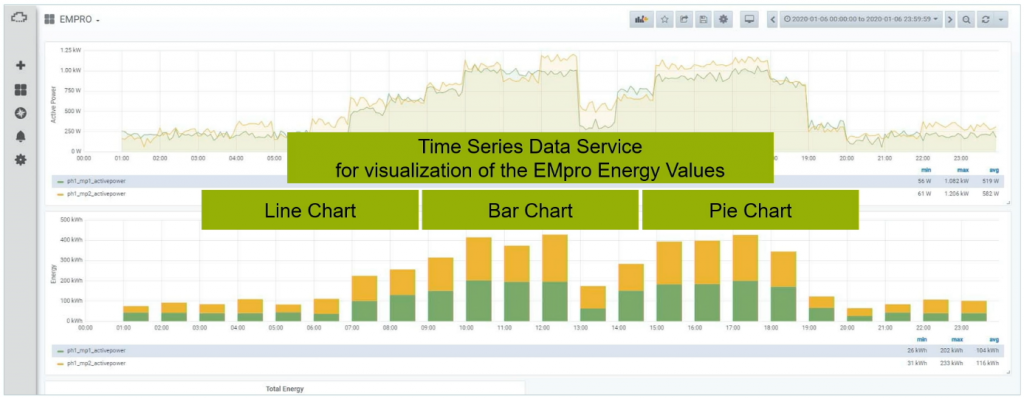
EMpro energy measuring devices acquire your energy data and communicate it to higher-level control and management systems. The user is able to configure and integrate the devices in just a few steps using the web-based, user-guided installation wizard. You can also benefit from the simple, direct connection of conventional Rogowski coils, and from the many practice-oriented web servers and device functions.

The integrated REST interface and direct connection to the cloud pave the way to the digital world in the Internet of Things (IoT). 24 V versions complete the portfolio.

Advantages of using EMpro measuring devices to manage your energy consumption

Set up communication interface, select grid type and configure measuring input: the EMpro energy measuring devices are configured and integrated into the network within minutes. Reduce your wiring and configuration effort, and benefit from smart web server functions.

Directly to the cloud with EMpro – without using a gateway

Access your measured data and component data anywhere in the world, without using an additional IoT gateway. You won’t need an IoT gateway to aggregate data, to convert between local network protocols and IoT protocols, or for encryption. The IoT-capable EMpro device is able to transfer its data directly and securely to the cloud using a router.

Energy data acquisition via Ethernet for Proficloud

Message Queuing Telemetry Transport (MQTT) is an established protocol that is widely used in the context of the Internet of Things (IoT).

It is an open message protocol for machine-to-machine (M2M) communication, which enables the transmission of telemetry data between devices in the form of messages – despite long delays or limited networks.

Using Transport Layer Security (TLS), data can be encrypted and transmitted over the Internet or other networks. It is a hybrid encryption protocol (combination of asymmetrical and symmetrical encryption). It enables the secure authentication of communication devices, i.e., it checks the identity of the recipient or sender. In addition, through encryption the transmitted data is protected against unauthorized access by third parties and against tampering or falsification.

Access to data points via REST API in EMpro

Web services are playing a key role in the growth of companies in a digital world. That’s why we tirelessly research web technologies and incorporate well designed solutions into our industrial components.

One of these solutions now enables multifunctional energy measuring devices to communicate via the REST API (Representational State Transfer Application Programming Interface).

This interface allows you to easily integrate measured data and device data into your building management system without any existing knowledge of industrial network communication.

In local networks, the devices can be easily accessed via the integrated REST API. 

REST or “Representational State Transfer” is a widely used architecture in the field of IT, which is also gradually being adopted in industrial applications. The user-friendly interface architecture uses well-known Internet protocols. Using any browser, data can be retrieved with just a few commands via an HTTP GET request. You do not need long register tables or special knowledge of industrial communication protocols.

Energy data acquisition in an Ethernet network via Modbus/TCP or RESTful API

EMpro – your choice for making energy measurement easy.

SmartRTU AXC SG

From |

The smartRTU AXC SG telecontrol and automation technology system from Phoenix Contact can be used across industries. In addition to the telecontrol technology, it can be used as a simple automation solution. Its use in electrical networks is the primary application field. Additionally, applications in wind and solar power plants, water supply and gas supply can be also realized simply and safely with the smartRTU technology.

With smartRTU technology, many applications can be implemented, from simple to complex telecontrol and automation applications. The simple and secure parameterization of a solution using a web browser also enables trained service technicians without programming knowledge to configure and commission an application.

Thus, the monitoring of operating variables in distribution grids can be parameterized in a very simple, fast and flexible way. The integration of short circuit and ground fault indicators and other devices via relay contacts, Modbus RTU or Modus TCP communication is possible without expert knowledge. The reporting of operating states and measured variables to higher-level telecontrol nodes or control systems has already been implemented in compliance with current information security regulations. The parallel communication via different, standardized communication protocols such as IEC 60870-5-101 / 104 or IEC 61850 (coming soon) is possible. This allows distribution networks to be safely and economically monitored and optimally operated.

In addition to the monitoring of distribution grids, the active control of the grids by means of further smartRTU functionalities is already included in the functional scope. The monitoring of load and circuit breakers as well as their remote control gets implemented by parameterization of the provided smartRTU application. Whether single message or double command, the system is already preconfigured for this. An individual and customer-specific realization is given by the modular and flexible software and hardware construction.

Selected functions and setting parameters allow, among other things, to configure a complete feed-in management solution, with readback of the actual feed, with just a few clicks and inputs. The communication link to the distribution system operator’s control system can just as easily be bidirectional, e.g. via a 104 communication.

Thanks to the simple parameterization, evaluation, logical linking and communication of signals and values, a number of different telecontrol applications and solutions can be implemented quickly, safely and simply across industries using smartRTU technology from Phoenix Contact. If you would like to find out more, feel free to contact us at marketing@phoenixcontact.com.sg!

Solutions for the Transport Industry

From |

The Association of Southeast Asian Nations (ASEAN) with its 10 member countries has a combined population of over 640 Million people and a market of US$2.8 trillion as of year 2017. Collectively, this is the third largest economy in Asia and the seventh largest in the world. Over the last decade, ASEAN GDP growth averaged at 5.4%, higher than the global GDP growth of 3.6%. It is forecasted that ASEAN will emerge as the world’s fourth largest economy by year 2030.

To support the fast growing economies in ASEAN, it is not difficult to notice the development projects in the area of Transport, Power and Water & Waste-water.

Taking the transport industry for example, urbanisation has driven populations in Southeast Asian cities to swelling points, averaging between 1 million inhabitants (e.g. Da Nang) and up to 10 million inhabitants (e.g. Jakarta). This has posed a huge challenge to city municipals when traffic gridlocks bring businesses and daily life to a standstill, resulting in huge economic losses.

To tackle this problem, public mass transport systems (i.e. Monorail, Metro) have been put into city planning. Improvement works to road infrastructure has been carried out, with new highways and road tunnels being planned and built.

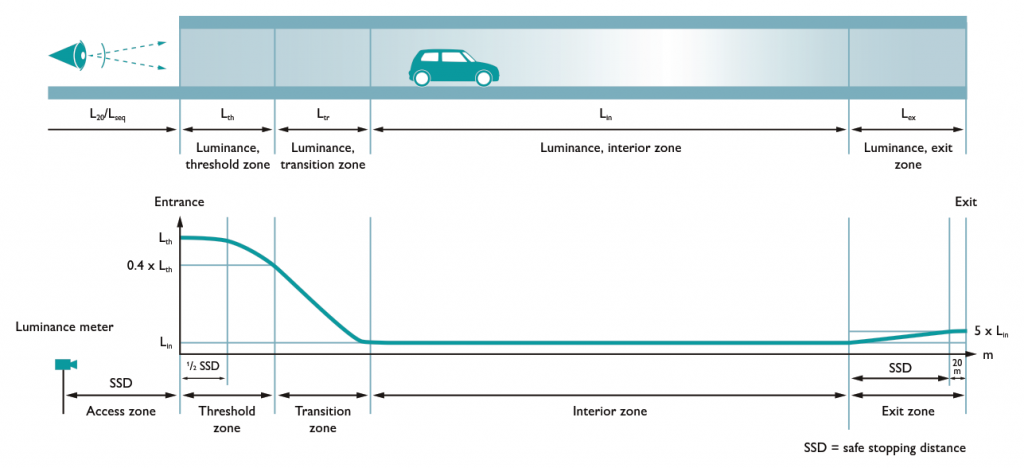
Contributing to road tunnel safety, Phoenix Contact has developed the Advanced Tunnel Solution (ATS) for Tunnel Lighting control. Depending on the external ambient light condition, the controllers adjust the light intensity with precision through dimming, to attain the ideal illumination for the tunnel zones illustrated above. This “demand oriented” solution provides significant energy savings when compared with the conventional solution we see today, enabling energy efficiency and reducing carbon footprint.

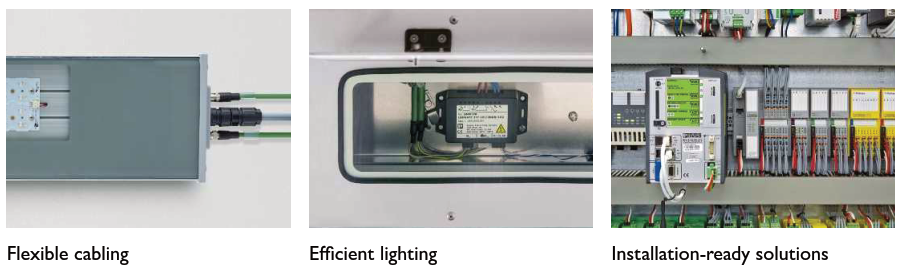
To enhance the speed of deployment onsite, the installation-ready control cabinet solutions (BTS, ATS, TCS) only require simple configuration of the system, without the need for any tedious programming work.

While cable installation and system connectivity is dubbed as the most labour intensive, the versatile and robust QPD installation system with its tried-and-tested QUICKON fast connection technology, allows for effortless distribution of power and data signal.

Looking through the wide range of reliable and excellent quality products portfolio (e.g. Surge protection, Industrial networking, Firewall for Cyber Security), Phoenix Contact constantly strives to develop new innovative industry solutions, to fuel the regional growth in our own ways.

Want to find out more? Feel free to contact us at marketing@phoenixcontact.com.sg!

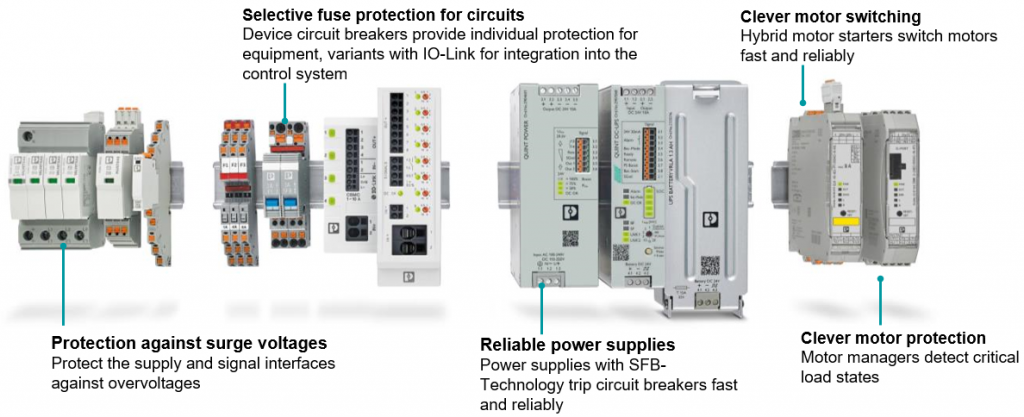
Phoenix Contact Motor Managers

From |

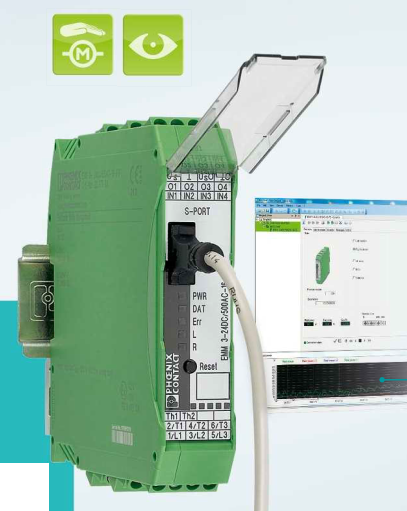
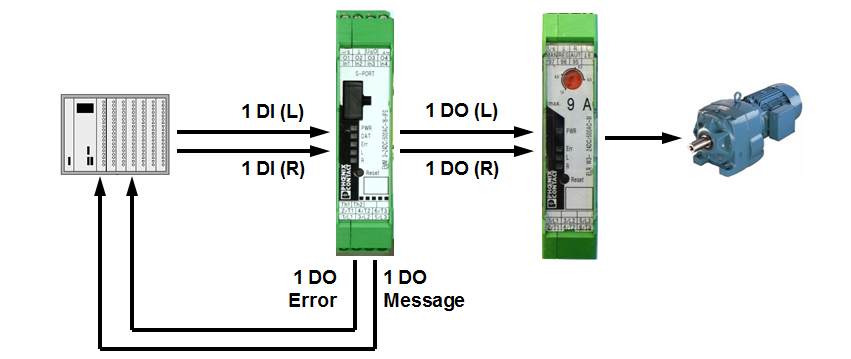
A motor manager from Phoenix Contact deserves more attention than it gets, as it is a product built with the same quality and technical understanding of the Phoenix Contact brand. Motor managers from Phoenix Contact monitor motors for overload and underload, function, dirt, and wear. One can therefore provide permanent protection for pumps, actuating drives, fans, and machine tools, just to name a few examples. It offers full motor protection for both bimetal and thermistor, and also monitors all electric paramaters such as real power, current, voltage, and cos phi.

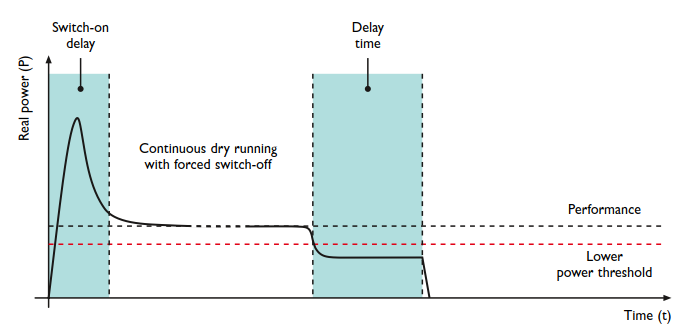
One of the applications of the Phoenix Contact Motor Manager is the underload detection in a pump. In the example pictured above, the continuous dry running of the pump will cause the pump to be damaged without any motor manager. With the motor manager, it will lower the power threshold and then stop the pump completely to prevent any hazardous dry running of the pump.

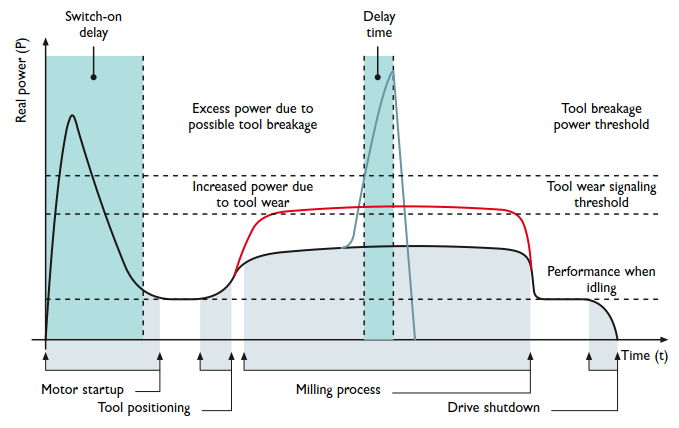
Another application of the Phoenix Contact motor manager is the overload detection in a machine tool. For example, if the feed value on a milling machine is set too high, the tool might break due to overload. Therefore, with the motor manager, one can set the power threshold accordingly to fit the milling process. Furthermore, with the motor manager, one can also detect tool wear in advance.

The advantages of using Phoenix Contact Motor Managers:

  • Integrated full motor protection
  • Protects high-grade system parts
  • High system availability
  • Saves the cost of sensors
  • Easy configuration and diagnostics
  • ATEX-certified for Ex e motors
  • Connection to controller via bus gateway
  • Parameterization via FDT/DTM concept with IFS-Conf software
  • Process data such as performance values, operating hours, and switching cycles are safely transmitted between field and control level

On top of that, the Phoenix Contact Motor Manager can also be use together with the CONTACTRON, which is a hybrid motor starter. The CONTACTRON can increase the reliability of the motor starter to ten times compared to conventional contactors solution, reduce space requirement by up to 89%, and saves labour cost due to significantly less wiring effort. Do visit Phoenix Contact’s blog or website for more information on CONTACTRON, or drop us an email at marketing@phoenixcontact.com.sg.

Do you like to be Monitored?

From |

In today’s world, people appreciate monitoring because we would be happy to observe and check on the progress of something over a period of time. For example, we install CCTV at home to check on our family’s safety; we keep our phone GPS turned on to keep our loved ones informed of where we are; we join different social media platforms and post crazily to keep ourselves “alive” and keep others “alerted of our presence”.

In the industrial world, condition monitoring is also a trendy topic. It is the process of monitoring a parameter of conditions in machinery (vibration, temperature etc.), in order to identify a significant change which is indicative of a developing fault. The ultimate objective of condition monitoring is to achieve predictive maintenance to avoid a burst of the operating cost and to increase productivity and efficiency.

Phoenix Contact is embarking on Industry 4.0 in order to provide the solutions that focus on the value and ease of preventive and predictive maintenance. Below are a few monitoring solutions for different industries for your kind consideration.

Pump and Motor Monitoring System for Water Industry (PumpMonitor)

To minimize maintenance and repair costs, reduce energy consumption and increase system availability.

  • It is an installation-ready control cabinet solution
  • Bearing and machine vibrations are recorded by the integrated sensor module
  • Standard communications (PROFINET, OPC etc.)
  • Online status monitoring with colour visualization
  • Option to integrate into the Cloud

PV Monitoring System for Solar Industry (SOLARCHECK)

To maximize the energy yield and help to reduce operation and maintenance cost.

  • It measures the current using Hall sensors
  • The conductor feeds through the openings in the measuring module and connects to the communication cable
  • Contact-free measurement with safe isolation and no contact resistance
  • Option to extend the system with a voltage measurement of up to 1500 V DC

Remote Control and Monitoring System for Railway Industry

To save labour and maintenance cost through remote access and to improve system reliability.

  • Able to control many interlinked components of various systems
  • Easy to integrate the controller into existing networks
  • License-free wireless technology for I/O signals and serial data transmission
  • High availability with redundant power supplies
  • SPD protects the system against switching surges and lightning strikes

Lightning Monitoring System for Lightning Prone Zone Infrastructure (LM-S)

To be informed online of the lightning strikes to determine whether any checks or maintenance are required.

  • The sensors can record the magnetic field (based on the principle of the Faraday effect) due to the lightning surge current
  • The typical parameters recorded are maximum lightning current strength, lightning current rise time, charge and energy
  • It can be integrated in standard network systems via the RJ45 Ethernet interface
  • Internal web server is used to access data and configure the system

Your system will be safeguarded by Phoenix Contact because we can help you to put it under close monitoring before the developing of faults (predictive maintenance) or immediately right after the faults occur (preventive maintenance). If you are interested to find out how our monitoring system can contribute to your operating expenses (OPEX), feel free to contact us at marketing@phoenixcontact.com.sg!

OPC_UA SERVER for PC WORX-based Controllers

From |

Dynamic market changes make it necessary to solve automation tasks in line with Industry 4.0. The objective is always to produce more efficiently and intelligently. Uniform protocols, rules, and standards for communication are required to intelligently link machines and system components.

In the past, it was a very challenging task for any engineer to setup, access or share OPC classic remotely in a network but that has changed now, with Phoenix Contact’s OPC_UA Server.

The PC WORX UA SERVER from Phoenix Contact enables you to access all variables of PC WORX programmable controllers via the OPC_UA (Unified Architecture) standardized communication protocol.

Fig 1: System architecture with OPC_UA

Fig 1: System architecture with OPC_UA

Why you should switch to OPC_UA

The OPC Unified Architecture Standard, OPC_UA, is being adopted more widely across the market as the new market standard and provides the basis for open and standardized communication in the digital future.

OPC_UA Server capability:

  • Handle up to 200 controllers in a visualization or production control system
  • Variables are mapped via the standardized PLCopen profile
  • The OPC_UA server uses the binary protocol for communication, resulting in high data transmission speeds
  • A security concept based on certificates protects against unauthorized access
  • Status & Quality of connection for each individual items

Fig 2: OPC_UA VS OPC Classic

Fig 2: OPC_UA VS OPC Classic

In the end, the key feature that makes OPC_UA server the backbone for any IIOT system that uses PLCopen profile would be the fact that it allows customers to build extremely fast web/cloud base visualization even without a need to pay additional costs for licensing.

Fig 3 & Fig 4: Web/Cloud Visualization of data from monitoring a mini solar cell via OPC_UA