

Carbon neutrality and decarbonization are reshaping industrial energy strategy. The All Electric Society vision describes a future in which renewable electrical energy is available in sufficient quantities and at affordable prices. Reaching that goal requires sector coupling, intelligent energy management, and more efficient power distribution. DC grids in industry offer a practical route forward.
Why move toward a DC Factory?
A factory DC grid can improve energy efficiency by recovering braking energy and reducing conversion losses. It can also integrate photovoltaic systems, battery storage, and EV charging stations directly. In suitable applications, recuperation can balance peak loads substantially, while fewer cables can reduce copper consumption.
The economic case is therefore compelling. However, a successful DC factory needs more than efficient components. It requires a coordinated concept covering objectives, topology, converters, protection, arc analysis, and energy management.
Start with objectives and operating conditions
Planning begins by defining what the DC grid must achieve. Engineers should evaluate recuperation potential from robots or storage and retrieval machines, required security of supply, connected loads, charging infrastructure, base loads, and startup peaks. Weather forecasts and electricity market prices may also influence the preferred energy strategy.
Fire protection, safety, and cybersecurity guidelines require equal attention. These inputs support an initial assessment of economic viability and risk before the project moves into detailed design.
Select the topology and voltage level
According to the ODCA and VDE SPEC 90037, normal operation takes place within a nominal band of 620 V to 750 V. This range balances component selection, losses, control reserves, and safety requirements.
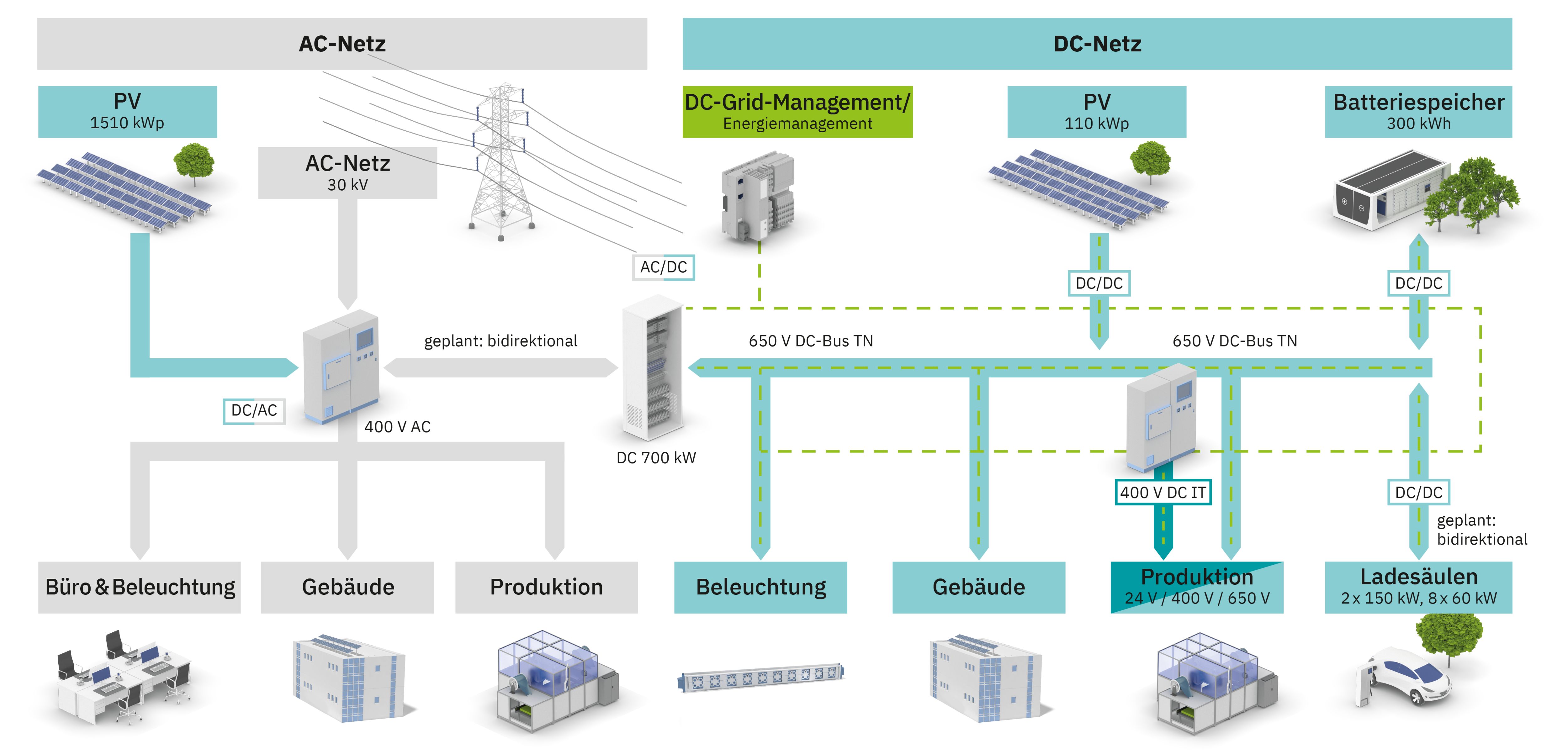
A central DC busbar forms the power backbone. AC/DC coupling connects the factory to the AC grid, while DC/DC couplings integrate PV, battery storage, EV charging, lighting, and production equipment. Zoning, field distributors, or redundant feeds can add selectivity and resilience.
Design conversion, grounding, and protection together
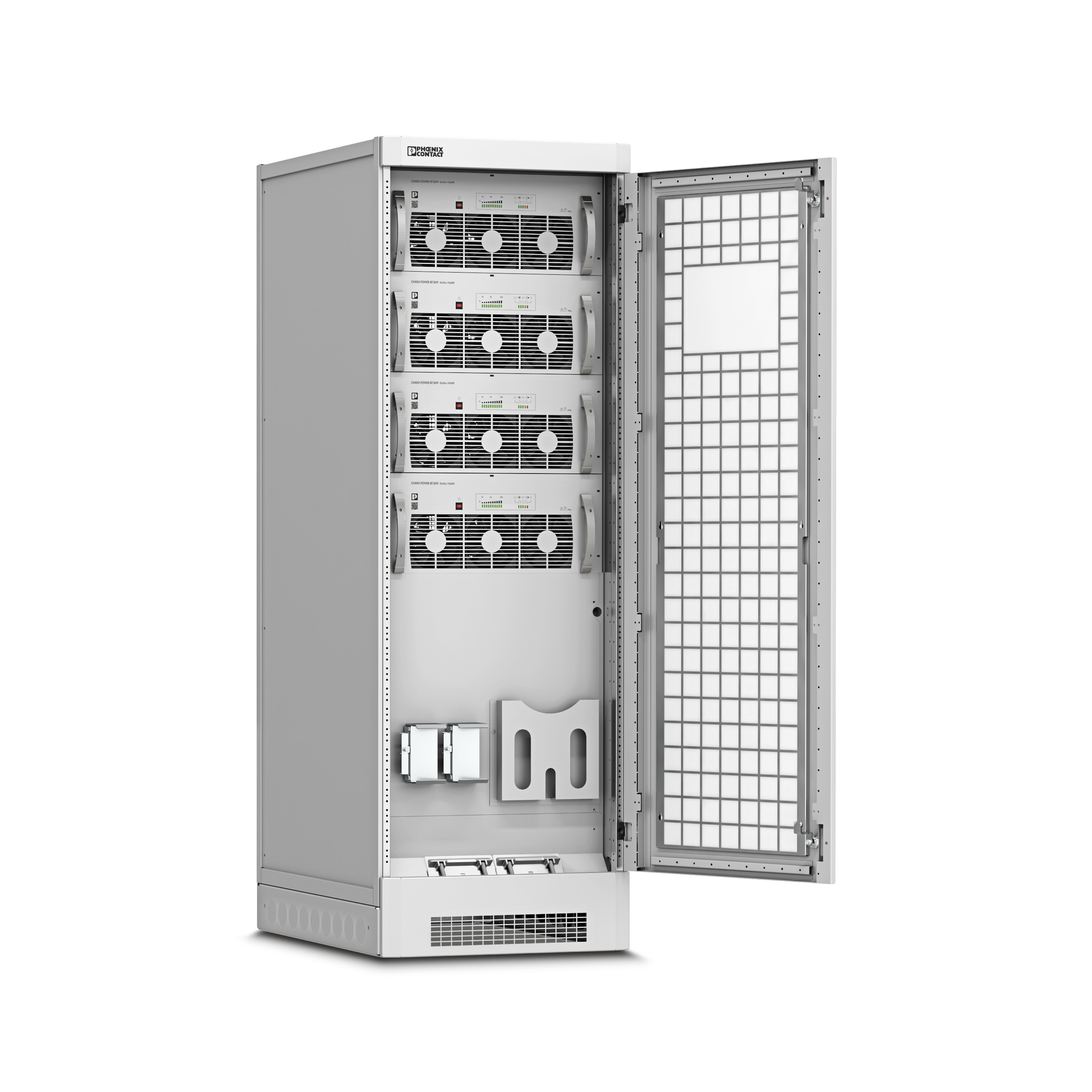
Most factories will remain connected to existing AC infrastructure. A bidirectional active infeed converter can exchange energy between the AC and DC grids, feed surplus energy back, and stabilize the network. DC/DC couplers segment the grid and integrate DC devices.
Protection demands particular care because DC has no regular zero crossing. Arcs can persist when circuits open or insulation fails. Suitable grounding concepts include a monitored DC IT system or a DC TN-S system grounded on the AC side.
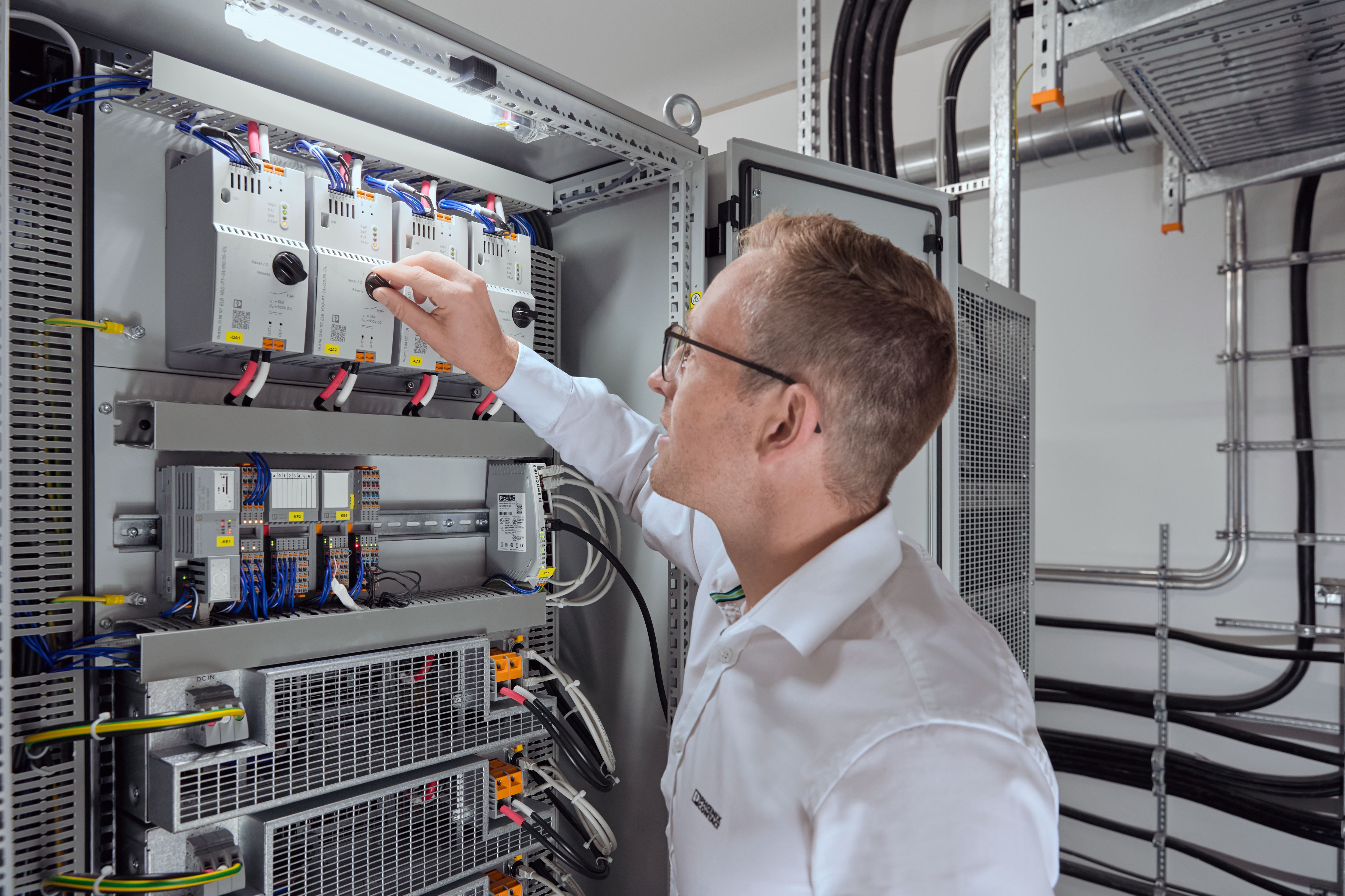
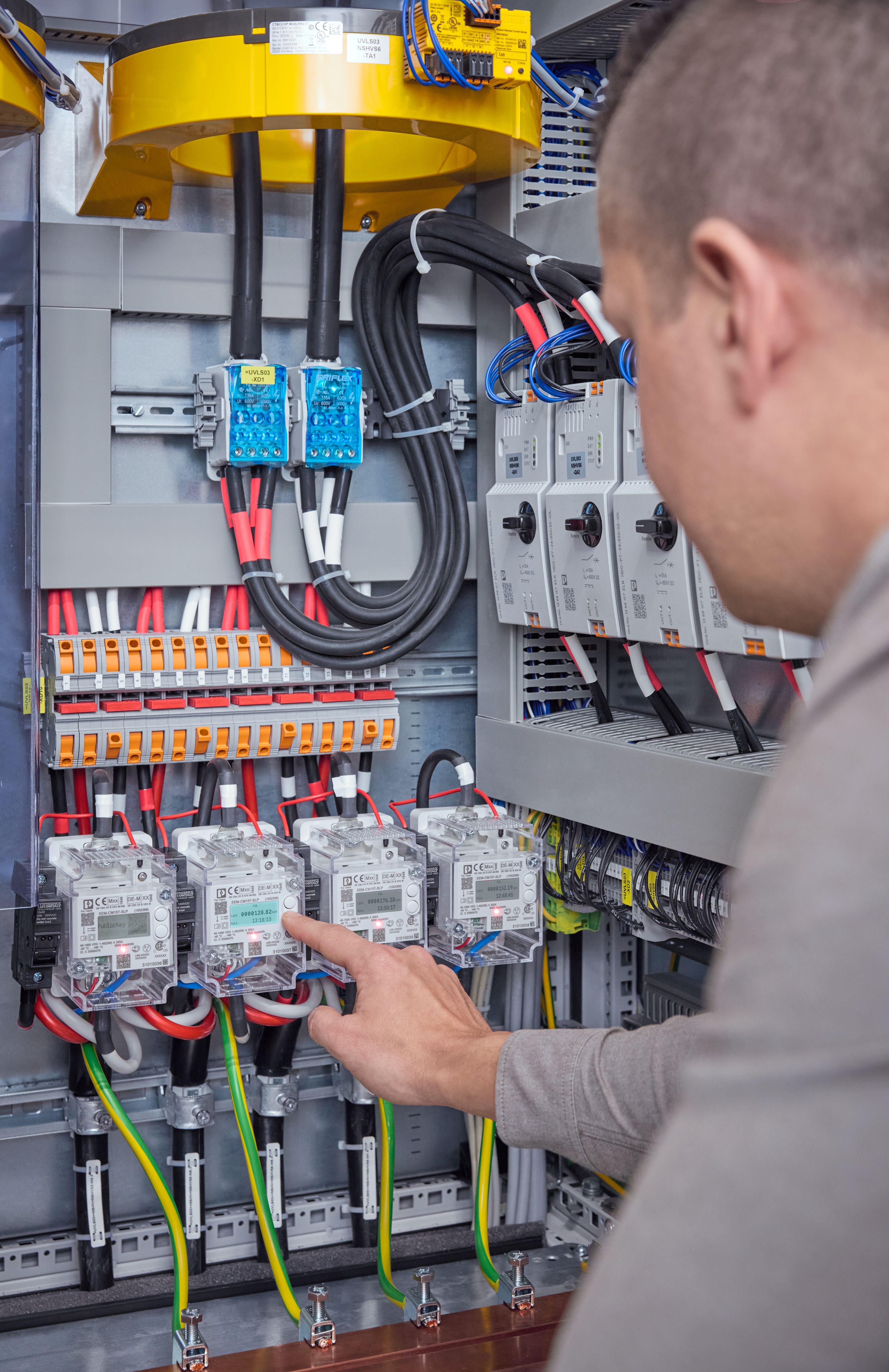
Smart breakers enable arc-free, bidirectional disconnection. The ELR HDC-PT-24/650/55-IOL interrupts semiconductor current within 10 µs, then isolates both poles electromechanically. It also supports ground-fault, short-circuit, line, residual-current, overvoltage, and undervoltage protection. Arc analysis remains essential because tripping time directly affects arc energy and the personal risk assessment.
Manage energy without compromising availability
Production availability remains the priority. Primary droop control stabilizes bus voltage by coordinating sources, loads, and storage along U-I characteristic curves. Batteries or supercapacitors react quickly to peak loads, while the AC/DC converter regulates the base load near the lower voltage limit.
Secondary control can combine a PLCnext Control DC grid controller with Emalytics. This layer can limit peak loads, shift consumption, respond to electricity prices, prioritize PV self-consumption, manage battery state of charge, coordinate charging priorities, and optimize CO₂ performance.
From potential to practical implementation
A DC factory can increase the sustainable use of energy while reducing associated costs. The All Electric Society Factory demonstrates the approach through PV, battery storage, charging infrastructure, a partially integrated DC grid, heat pumps, and 1,500 m³ of ice storage. With more compatible products reaching the market, industrial DC grids are becoming not only sensible, but manageable.
Ready to explore the potential of a DC grid for your production environment?
Learn more about the technologies, components, and planning considerations for building a safe, reliable, and energy-efficient DC factory. Learn more about industrial DC grids