

Tag Archives: monitoring

ImpulseCheck: Intelligent monitoring of surge protection

From |

Written by Dipl.-Phys. Claas Rittinghaus, Product Marketing Surge Protection, Business Unit Trabtech, Phoenix Contact GmbH & Co. KG, Blomberg, Germany

Condition Monitoring with ImpulseCheckProcess plant
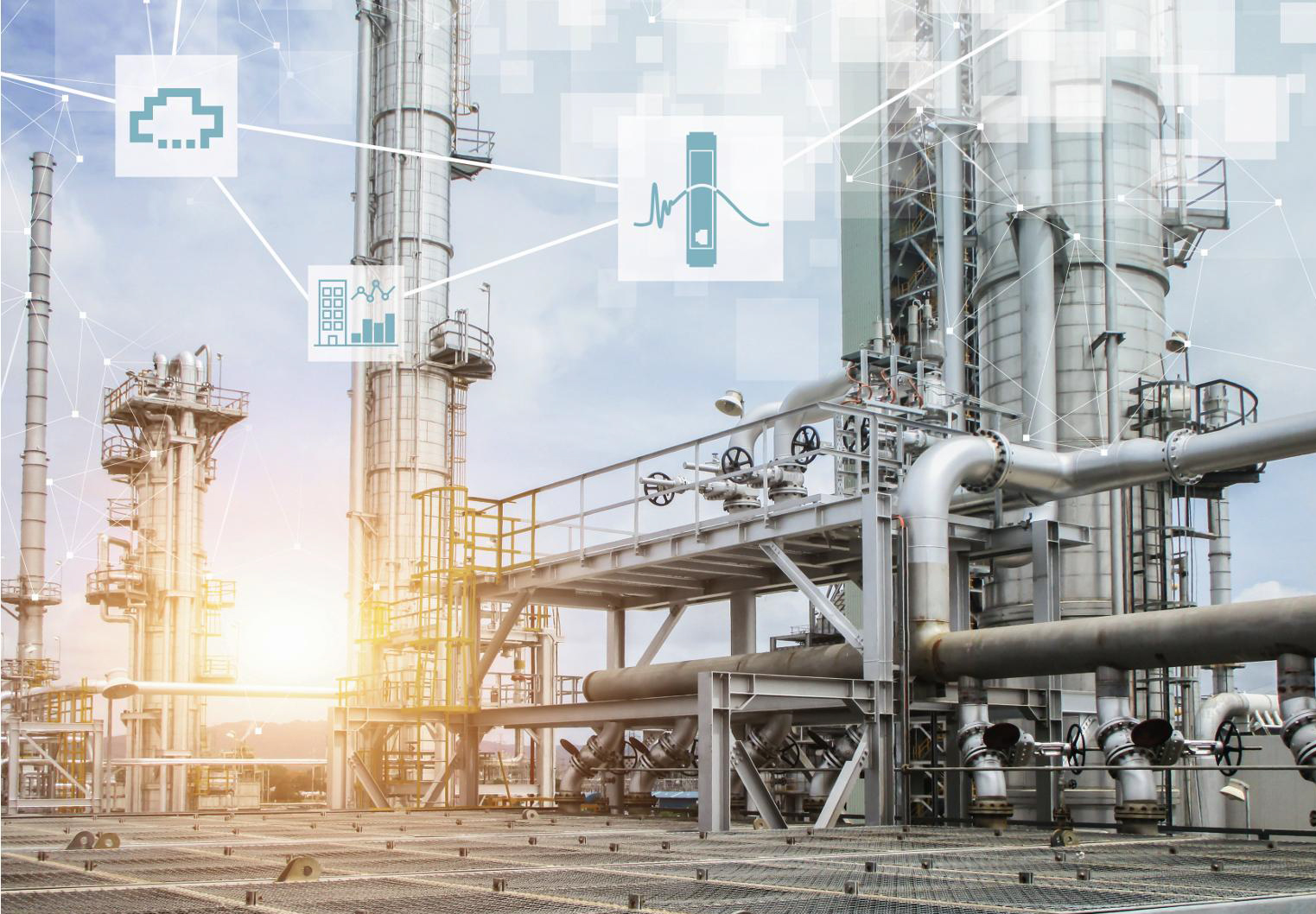
Surge protective devices are safety-related components and, as such, an essential part of process plants. Information about the status and performance of these components as well as on the status of the plant itself play an important role in continuous monitoring and predictive maintenance. ImpulseCheck acquires all this information – and also enables it to be utilized in the Internet of Things.

The green “OK” notification on a typical status indicator of an SPD (Surge Protective Device), displayed on the device itself or read out by means of a remote indication contact, is not indicative of the current status of the arrester. Neither does it provide any information on the specific stress caused by surge currents and transient overvoltages since the installation of the SPD. Taking a look at the indicator during the maintenance or periodic inspection of a lightning protection system thus isn’t very meaningful. The surge protective system might fail just the next day – or in a few years’ time.

This is where ImpulseCheck, Phoenix Contact’s new system, comes into play. Surge currents and transient overvoltages discharged and limited by the SPD are detected in real time, and can then be analyzed in ImpulseAnalytics – a Proficloud application. In addition to comprehensive tools for the evaluation of the measured data, which are available to the user, the state of health (SoH) for each mode of protection is calculated for Phoenix Contact SPDs. The state of health is the current state of the arrester. As opposed to former, purely reactive replacements of surge protective equipment based on the green/red status indicator, this status information allows for the implementation of predictive maintenance plans. The efficiency of maintenance work can thus be improved, money can be saved, and system availability better protected.

Continue reading

Lightning Strikes | Receive online notifications in your system

From |

Footprints of Lightning Strikes

Lightning strikes in systems

Lightning strikes in systems

Lightning strikes may cause devastating damage to buildings and facilities. Depending on the energy, there is massive destruction or damage, which may cause not so obvious, yet consequential cumulative destruction. Lastly, additional risk persists for high, large or exposed located structures.

The Lightning Monitoring System LM-S from Phoenix Contact captures lightning strikes and also analyzes the peak current, specific energy and charge of lightning surge currents. It consists of sensors for the down conductors of a lightning protection system and the analyzer. This data is easily accessible via the integrated web interface at any time from any place. It provides lightning strike information of the facility and enables preventive maintenance. Based on data from the LM-S system, measures take place quickly in order to avoid consequential damage and downtime. Taking this into consideration, maintenance or service work will be unnecessary as long as the effect is noncritical.

Burj Khalifa - Lightning Strikes Prevention - LMSIn structures that are not significantly prone to but have lightning-related sites, LM-S comes in handy for lightning research.

Phoenix Contact Lightning Monitoring System is installed on world-famous buildings such as Burj Khalifa.

Click here for more information about our LM-S system.

SOLARCHECK RSD Poll: Participcate to win a reflex camera

From |

SOLARCHECK RSD – Photovoltaic Panel Shutdown

SOLARCHECK RSD from Phoenix Contact makes working on photovoltaic systems so safe.

Solarcheck rsd

SOLARCHECK RSD consists of units for shutting down the individual photovoltaic panels and startup units, which are used to restart the system. Each shutdown unit disconnects the corresponding panel from the string group. The disconnection takes place automatically in the event of a fault and each time the inverter is shut down. The maximum value for the entire DC side of the photovoltaic system is then in the range of the safety extra-low voltage. There is no risk of an electric shock.

More on Photovoltaic panel shutdown

Show us that you are familiar with our PV Panels by participating in this poll. Select the right image, ‪VOTE and get a chance to ‪WIN an ‪SLR ‪‎camera!