

Tag Archives: photovoltaics

Don’t leave yourself unprotected!

From |

Written by Nigel Dawbarn, Sales & Marketing Manager- Industry Management

Did you know that the UK has gone for more than 2 months without using coal power?  The reason for this is the development of renewable power installations throughout the UK of Wind and Solar and also hydro-power.

Boosting the uptake of solar through the next decade needs to form an essential part of the Government’s package of measures to deliver net zero as quickly and cost-effectively as possible.

Continue reading
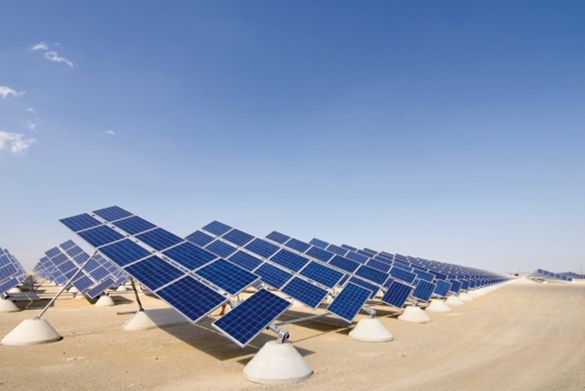
The sun is shining

From |

Written by Nigel Dawbarn, Sales & Marketing Manager – Industry Management

I write this with the sun blasting in the window – it’s cold but sunny, the best of winter days. We have experienced increased activity in the solar market over the last few months and with our improved range of solutions available, the outlook is a sunny one!

Continue reading

Electrical safety for photovoltaic systems: SOLARCHECK RSD

From |

Written by Fraser Cowie, Product Marketing Manager- Interface

Rooftop photovoltaic systems can generate lethal DC voltages – they cannot be turned off or disconnected easily on the DC side.  So how do panels get cleaned or maintained safely?  and if there is a fire or flood can emergency personnel be sure that they will not get a shock while trying to help?

Phoenix Contact has developed a new product that, if fitted to your PV system, will mean that you can be sure you are safe whilst working on rooftop or residential solar installations.

Continue reading

BIPV: a new window of opportunity

From |

Written by Gary Nelson, Product Manager- Device Connections

Sunclix miniSo here we are once again with my last blog of 2013 so I thought I would highlight not only a very innovative technology but also a very new market. Building-integrated photovoltaics, or BIPV as it’s more commonly known, is the latest trend in energy development using solar technology.

Sunclix mini

Conventional building materials such as windows, roofing, shading elements, etc. are being replaced with photovoltaic modules. This trend satisfies the future requirements that buildings will need to meet, namely, not only to use less energy but also to actively provide energy. BIPV usually involves difficult installation conditions where the space available for laying cables is very restricted in most cases.

Continue reading